A Century in a Tea Cup: The History of Tea Across 100 Years of British Life
A look at how tea has evolved over the past 100 years — from wartime necessity to modern ritual, and everything in between.

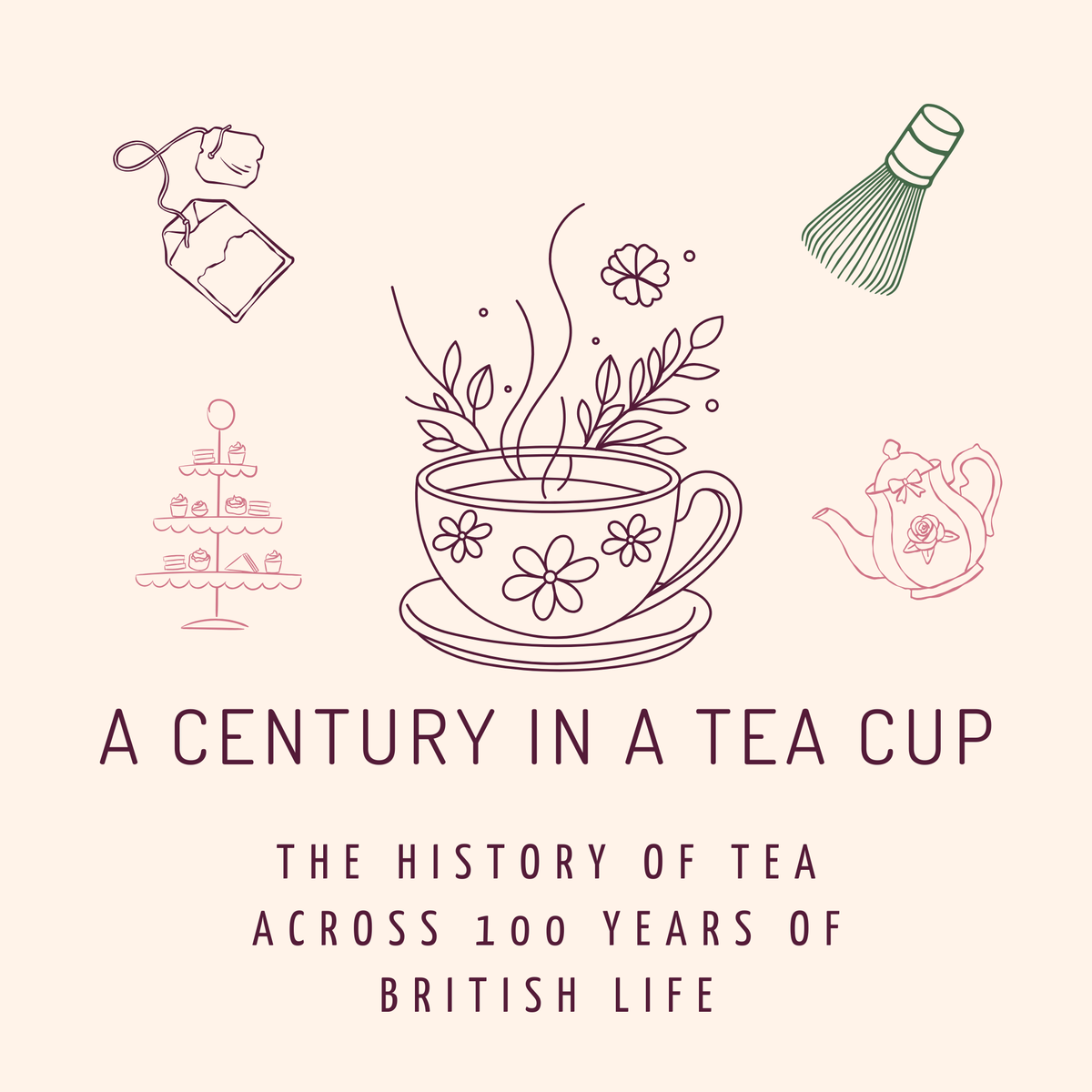
There’s something quietly comforting about a cup of tea — a daily ritual that has remained a constant through changing times, tastes, and traditions. From wartime rationing to modern matcha lattes, tea has evolved alongside us, yet never lost its place at the heart of British culture.
Over the past century, tea has travelled across continents, adapted, evolved, and shaped everything from social gatherings to everyday routines. So, let’s pour a cup and take a journey through the decades — exploring how tea was enjoyed, where it came from, and what we were eating alongside it.
1920s–1940s: Tradition, Empire & the Wartime Table
Tea was already firmly woven into the rhythm of British life by this era, but it wasn’t a delicate indulgence — it was a functional everyday essential.
Most tea at this time came through established trade routes from British-controlled plantations in India and Ceylon (now Sri Lanka). These strong, full-bodied black teas — often loose leaf — were chosen for a reason. They could stand up to milk, sugar, and repeated brewing, making them practical for households where tea was brewed strong and made in quantity to last the day.
During the Second World War, tea became one of the most fiercely protected staples of British rationing. It was one of the few comforts authorities were determined to keep flowing, recognising its importance to morale. Even when sugar, butter, and meat were strictly rationed, tea remained a small but vital constant in daily life.
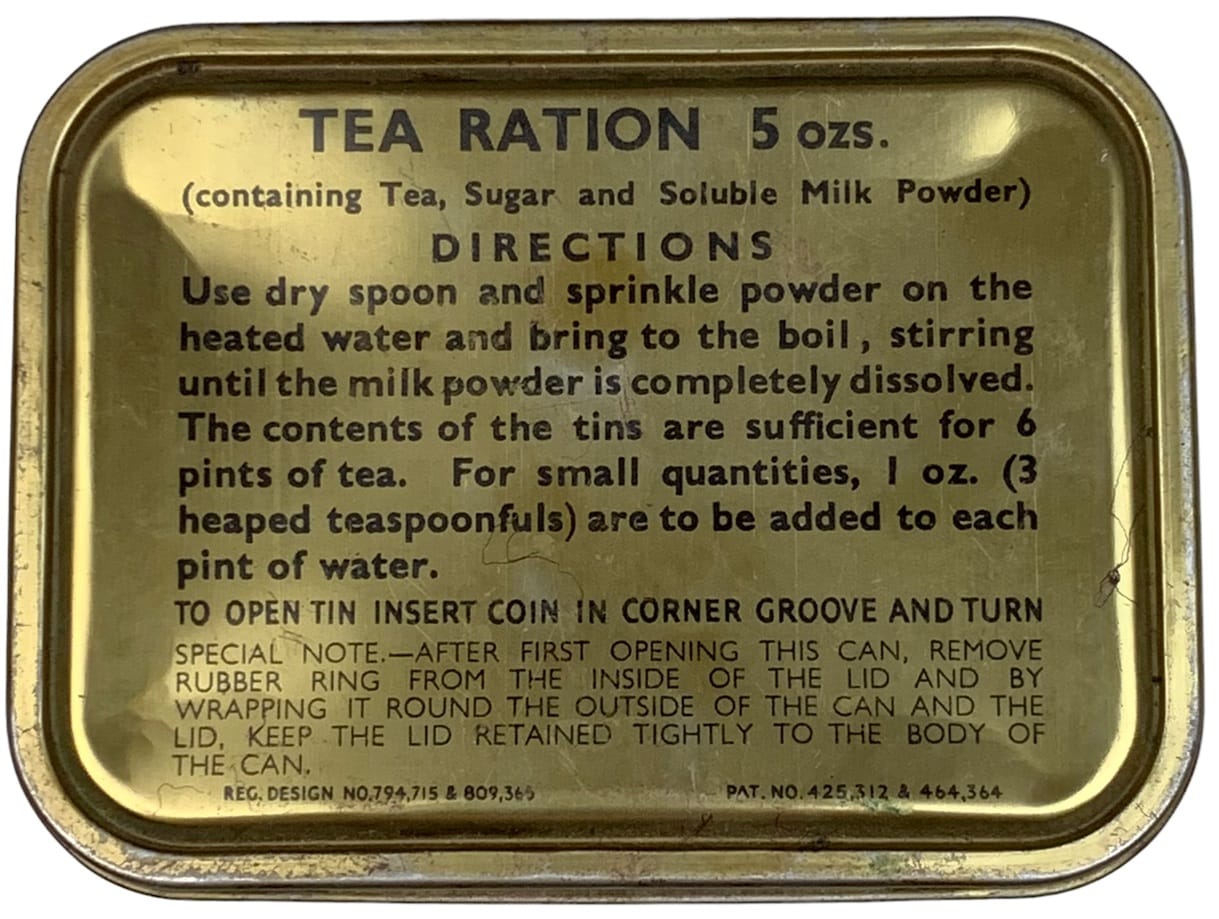
Tea itself was carefully rationed, and households learned to make do — reusing leaves for multiple brews, serving weaker pots, and stretching what they had as far as possible. Yet even in its simplest form, it remained a ritual people held onto tightly.
Food pairings in this era were shaped just as much by necessity as tradition. When available within rationing limits, tea might be served with bread and dripping, plain biscuits, or on rare occasions a jam sandwich or simple sponge cake as a true treat.
1950s–1970s: The Rise of Afternoon Tea Elegance
As Britain moved out of the shadow of war, tea became something more than just a daily necessity. The post-war years saw a renewed appreciation for ritual, and nowhere was this more evident than in the rise of afternoon tea.
Tea during this era was still largely built around strong black blends, primarily sourced from India and Ceylon (now Sri Lanka). Their robust, full-bodied loose leaves were perfectly suited to a nation that liked its tea strong, milky, and increasingly served in proper china.
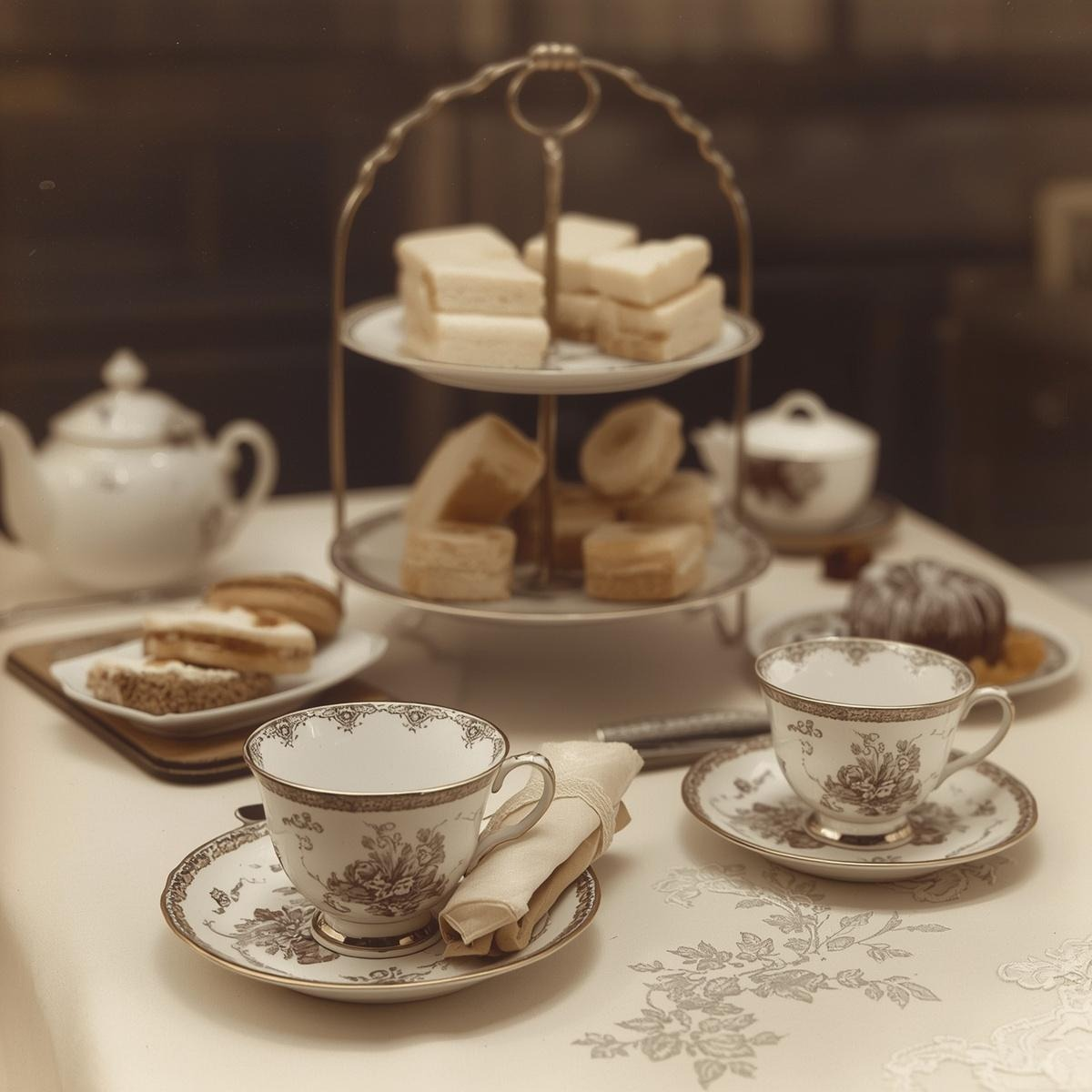
But what truly defined this period wasn’t just the tea itself — it was what came with it. Afternoon tea became a moment of pause and indulgence, whether enjoyed in a hotel dining room, a café, or carefully recreated at home. Tables filled with now-iconic British treats:
- Soft finger sandwiches
- Warm scones served with jam and thick clotted cream
- Victoria sponge, fruit cakes, and simple traybakes, often homemade and generously portioned
Tiered stands became a hallmark of occasion, even in more modest settings, and tea was poured into fine china cups that felt just a little more special than everyday crockery.
This was also the era where tea became deeply tied to social life. Friends gathered over pots that were refilled again and again, conversations stretched out, and small celebrations were marked with something sweet on the side. Tea wasn’t rushed — it was sat with, shared, and enjoyed.
1980s–2000s: Convenience, Tea Bags & Everyday Comfort
By the late 20th century, tea had firmly settled into its role as the nation’s everyday drink — but the way it was prepared and enjoyed began to shift. The ritual remained, but convenience took centre stage. This was the era where the tea bag truly took over.
Strong, reliable blends still dominated, but tea was now designed to be faster, simpler, and more accessible than ever before. It became less about ceremony and more about fitting into increasingly busy lives.
Brands also began to expand the idea of tea beyond “just tea.” Earl Grey became more widely known, fruit infusions appeared on supermarket shelves, and herbal teas quietly entered everyday life as lighter, wellness-led alternatives.
While afternoon tea didn’t disappear, it evolved. It became something reserved for special occasions — birthdays, hotel visits, celebrations — rather than a daily ritual. At home, tea was more likely to be poured between tasks than served on a tiered stand.
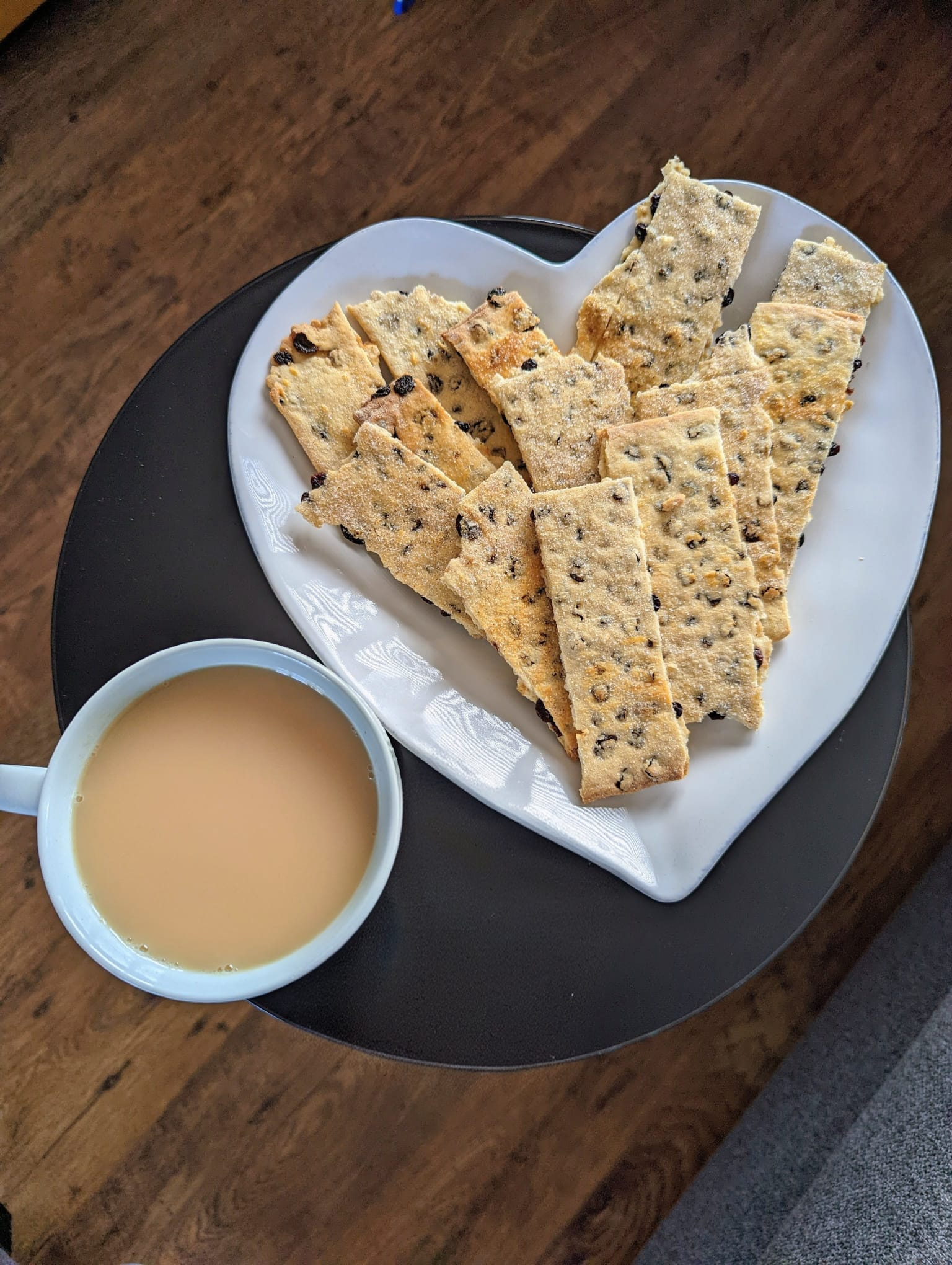
Food pairings shifted too. Tea breaks were now accompanied by custard creams, bourbons, shop-bought sponge cakes, traybakes, and simple savoury snacks shared in offices and homes alike.
Yet even as convenience grew, tea never lost its emotional role. It was still the drink offered to guests, the first cup of the morning, and the quiet constant in a rapidly changing world.
2010s–Now: Revival, Wellness & The Modern Tea Experience
In more recent years, tea has undergone something of a renaissance. After decades of convenience-led brewing, there has been a renewed appreciation for quality, origin, and experience — but now with a modern, global twist.
Loose leaf tea has made a comeback, no longer seen as old-fashioned but instead as intentional and elevated. Specialty blends have flourished, with independent tea shops and artisan brands focusing on single-origin leaves, seasonal infusions, and carefully crafted flavour profiles.
At the same time, tea culture has expanded far beyond the traditional British cup. Matcha, chai, and herbal wellness blends have become part of everyday life, sitting comfortably alongside the classic builder’s brew. Tea is no longer just British in identity — it is global, creative, and constantly evolving.
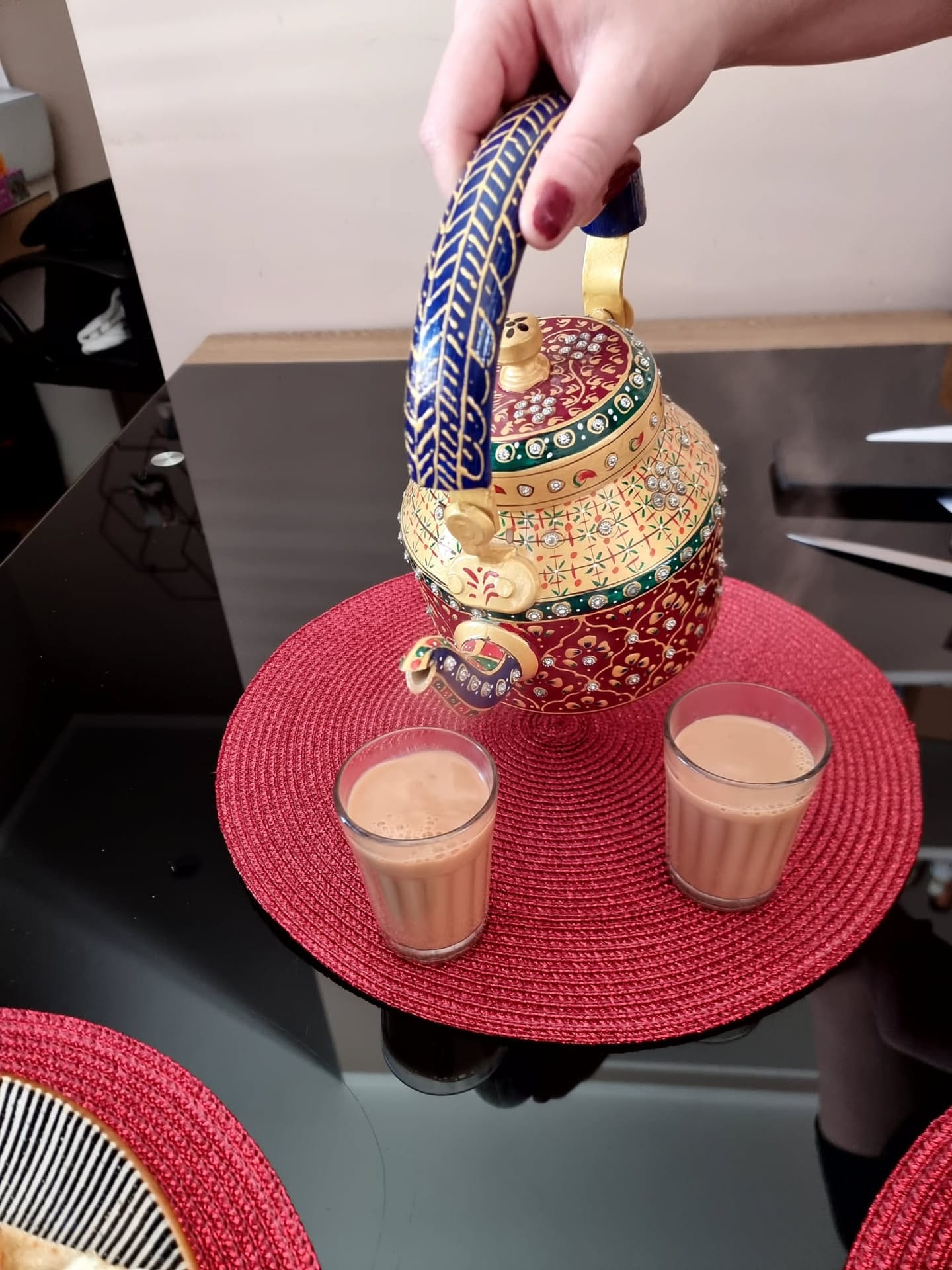
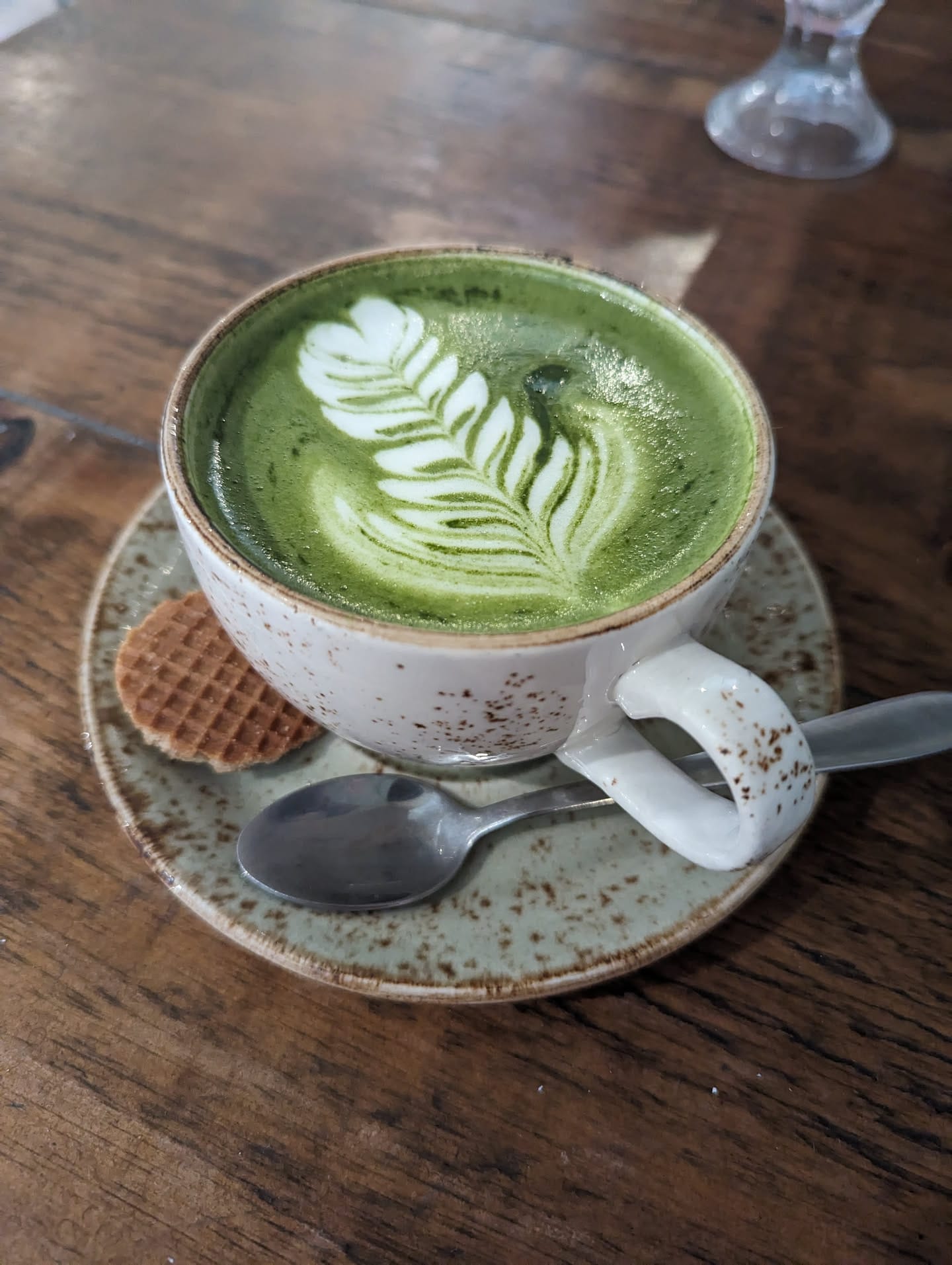
This is also the era where tea became as much about experience as flavour. Afternoon tea is no longer just a ritual — it is an event. Themed tea services, hotel experiences, and bakery-led interpretations have turned it into something playful, immersive, and highly visual.
Food pairings have evolved alongside it too, with tea now appearing in modern baking and fusion menus:
- Matcha cakes and loaf bakes
- Chai and cinnamon-spiced buns
- Floral-infused desserts like lavender or rose
- Global afternoon teas, from high chai to Japanese-inspired spreads and beyond
Tea today sits comfortably between nostalgia and innovation. It can be deeply traditional one moment, and completely experimental the next — poured into fine china, shaken over ice, or whisked into a latte.
Across every decade, tea has adapted to the times — shaped by history, convenience, and changing tastes — yet its role has remained the same. It’s the drink we return to. The pause in the day. The small, familiar ritual that brings comfort whether shared or enjoyed alone.From strong wartime brews to beautifully styled modern cups, tea continues to evolve — but it never really changes where it matters.
Kettle on, cup in hand… some things are simply timeless.